What is a Raga?

It is believed that the great sage Bharat invented the musical scale and divided the same into 22 divisions (Shrutis), some time between years 200 B.C. to 500 A.D. i.e., about 1500 years ago.  It is also believed that based on this scale, the raga system was conceived somewhere around 500 A.D. i.e. about 1500… Continue reading What is a Raga?

The Teacher and the Taught
  At the outset, I would like to refer to the basic objective or the theme of the Seminar. The heading of the concept note circulated to the participants, defines it as “the problems and methodology of collecting data from traditional musicians”. Later the note refers to the work required to be done, for the… Continue reading The Teacher and the Taught
The Raga : From the Drop to the Ocean

  The raga system is a uniquely ingenuous product of the Indian musical mind. It provides the framework within which the musician can simultaneously perform the roles of composer and performer through the process of improvisation. In this paper, I propose to deal with the basic definition of the raga, the principles of improvisation, and… Continue reading The Raga : From the Drop to the Ocean

Synopsis – Raag as a Vehicle of Improvisation

  RAAG DEFINITION (6 Dimensions) Selection Combination Emphasis Emotional content Individual character Universal acceptance   WHAT IS IMPROVISATION (2 Aspects)   PHYSICAL ASPECT Treatment of individual note Formation of musical phrases Speed (laya) Emphasise Development of melodic centres   EMOTIONAL ASPECT Subjectivity The element of Raas Purity of notes   TECHNIQUE OF IMPROVISATION   DEEP… Continue reading Synopsis – Raag as a Vehicle of Improvisation

Scheme for Employment of Musicians

  Even established musicians in the field of classical music in India, are finding it extremely difficult to earn a decent living. Whilst top ranking musicians are fairly comfortable through earnings from their concerts, it is the up and coming musician who finds it extremely difficult to devote sufficient time for his own progress as… Continue reading Scheme for Employment of Musicians

Research on Instruments

Traditionally, a majority of Indian musical instruments are hand-made and the art of “making” of instruments is passed on from generation to generation, similar to the process of imparting the knowledge of Indian classical music itself.  Whilst there are innumerable merits in this traditional system, it is believed that a research study to support the… Continue reading Research on Instruments

Programming and the Audience

INTRODUCTION The subject Programming and the Audience concerns itself at a fundamental level with the idea of a “concert as a happening”.  This idea describes the ideal end product of performed music characterized by a total sharing of the mood of the music between the performer and his audiences.  There is a mysterious or magical… Continue reading Programming and the Audience

Past and Present

PAST PRESENT 1 Clarity Sharper Mellow, dignified 2. Tone  Outgoing-lower Pancham  still used Introspective  Gandhar string introduced 3. Temperament  Sense of hurry More relaxed and involved 4. Maturity  Youthful eagerness  Experienced ease and depth 5. Creativity Beginning of search for new vistas (Bhatiali) other light classical forms Developed a new style ‘Gayaki Ang’ completely interwoven… Continue reading Past and Present

Origin of the Sitar

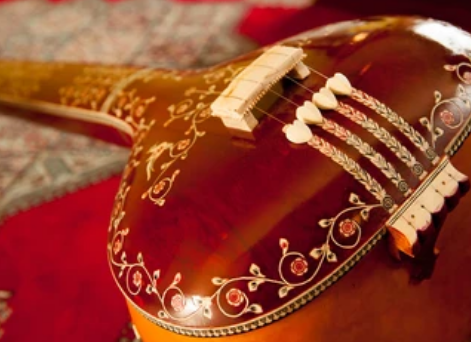
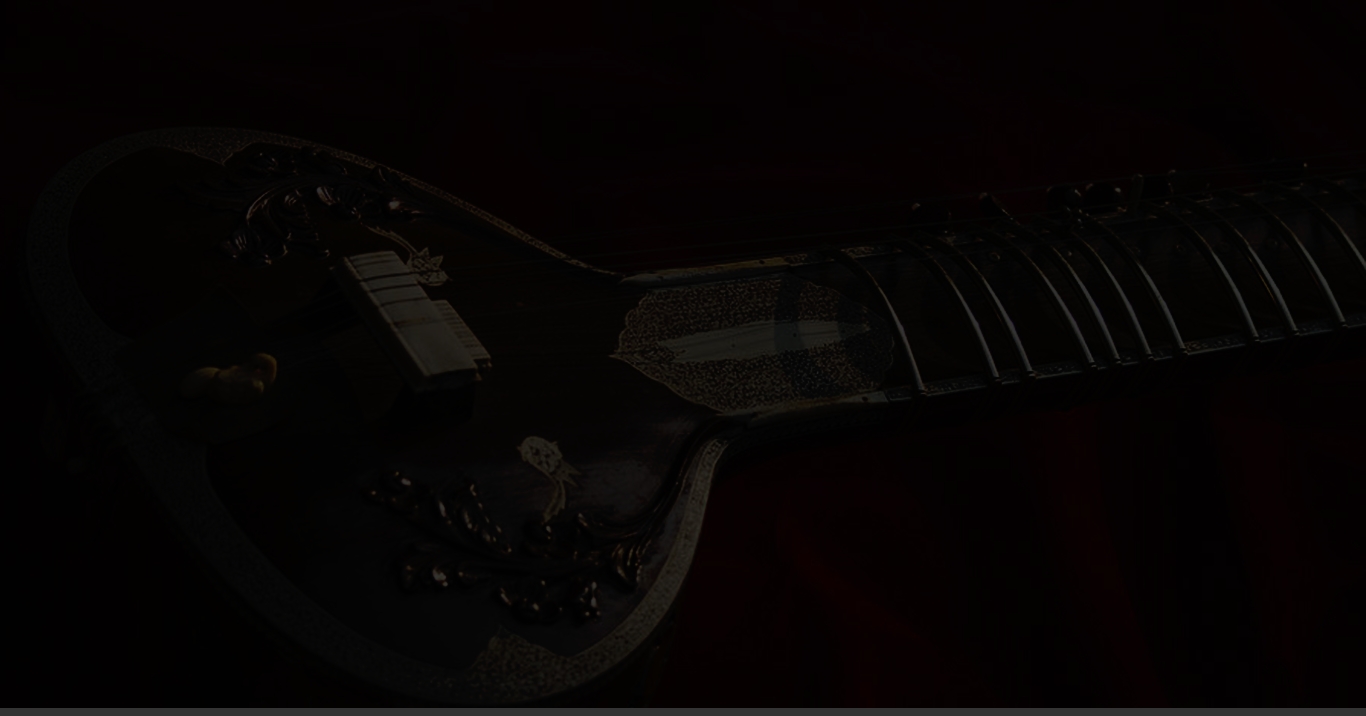
The Sitar is one of the most versatile and popular instruments in Hindustani music. Over the period of its evolution, it has become a very mature instrument, capable of expressing the raga form completely without any loss of the finest shade of the emotional expression. There are several theories regarding its origin.    The Sitar… Continue reading Origin of the Sitar

Music Edication In a Multicultural Society -An Indian Perspective

India is a country of differing ethnicities, communities, religions and languages, educational levels and different philosophies – a society more multi-cultural than you will find anywhere within one nation-state. Indian philosophy believes in what is known as “Unity in diversity”.  No wonder that the word “immigrant” is unknown in India.   In this paper, I… Continue reading Music Edication In a Multicultural Society -An Indian Perspective